Townhall.com, Where Your Opinion Counts
Talk Radio:   Bill Bennett   Mike Gallagher   Dennis Prager   Michael Medved   Hugh Hewitt   
TOP NEWS   LeftArrow - Townhall.com   RightArrow - Townhall.com  
Columns, funnies & more in your inbox!
Friday, May 16, 2008
Florida, Michigan cannot save Clinton
By NEDRA PICKLER
Vote on It:
Average Vote:
[+] Text [-]
 
Poll
Are you struggling to keep up with rising gas prices?


Michigan and Florida alone can't save Hillary Rodham Clinton's campaign.

Interviews with those considering how to handle the two states' banished convention delegates found little interest in the former first lady's best-case scenario. Her position, part of a formidable comeback challenge, is that all the delegates be seated in accordance with their disputed primaries.

Even if they were, it wouldn't erase Barack Obama's growing lead in delegates.

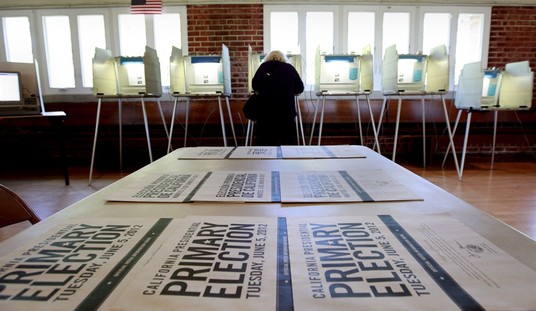
The Democratic Party's Rules and Bylaws Committee, a 30-member panel charged with interpreting and enforcing party rules, is to meet May 31 to consider how to handle Michigan and Florida's 368 delegates _ both pledged delegates and superdelegates.

Last year, the panel imposed the harshest punishment it could render against the two states after they scheduled primaries in January, even though they were instructed not to vote until Feb. 5 or later. Michigan and Florida lost all their delegates to the national convention, and all the Democratic candidates agreed not to campaign in the two states, stripping them of all the influence they were trying to build by voting early.

But now there is agreement on all sides that at least some of the delegates should be restored in a gesture of party unity and respect to voters in two general election battlegrounds.

Clinton has been arguing for full reinstatement, which would boost her standing. She won both states, even though they didn't count toward the nomination and neither candidate campaigned in them. Obama even had his name pulled from Michigan's ballot.

The Associated Press interviewed a third of the panel members and several other Democrats involved in the negotiations and found widespread agreement that the states must be punished for stepping out of line. If not, many members say, other states will do the same thing in four years.

"We certainly want to be fair to both candidates, and we want to be sure that we are fair to the 48 states who abided by the rules," said Democratic National Committee Secretary Alice Germond, a panel member unaligned with either candidate. "We don't want absolute chaos for 2012.

"We want to reach out to Michigan and Florida and seat some group of delegates in some manner, at least most of us do. These are two critical states for the general (election) and the voters of those states who were not the people who caused this awful conundrum to occur deserve our attention and deserve to be a part of our process and deserve to be at the convention," she said.

Just as Democrats across the country have been divided over which candidate would make the better nominee, most of the panel members also bring personal preferences to the table.

Many are long-standing party officials with close ties to the Clintons. The former first lady has 13 members publicly supporting her, including campaign advisers Harold Ickes and Tina Flournoy who are working to build her delegate count. Eight are openly aligned with Obama. Nine others are officially undeclared.

"We have to have delegates, and they have to be delegations that reflect the opinions of those two states," said former DNC Chairman Don Fowler, a committee member supporting Clinton. "How we get there is very different because everyone sees these questions of who it helps and who it hurts. I don't think the formulation has been found that will get around the piece at this point." But he said a solution is probably possible among the diverse interests.

Because Obama is in the lead for the nomination, his camp heads into the meeting in a position of strength. It is possible the Illinois senator could clinch the nomination by the time the panel meets if he picks up the pace of superdelegate endorsements in the coming weeks.

But Obama has such a lead that he may be able to afford to be generous and give Clinton most of the delegates. That would help put the issue behind them and help him build goodwill in Michigan and Florida heading into the November election.

Still, some think the fairest solution is to disregard the primary votes and split the delegations evenly between the two candidates. Yvonne Gates, a member of Nevada who said she is keeping her candidate preference private until after the meeting so her decision won't be questioned, said she isn't sure what position she would support at the meeting but that it must be fair to both candidates.

"My definition is a 50-50 split is something that is fair," she said. "It cannot be a situation where you give one candidate more votes than the other. In my opinion that wasn't an election when they didn't have a chance to get out and talk to the people of that community."

It's also possible that any vote that recognizes the Michigan and Florida results would legitimize their elections. Clinton has been arguing that she leads in the popular vote, but that's only when both states are included and it is very slim _ fewer than 5,000 votes out of 34 million cast.

Her accounting also doesn't include some caucus states that favored Obama and where the popular vote wasn't tallied. The measure of winning the nomination is not the popular vote but whoever can get the majority of delegates _ currently 2,026 are needed for the nomination although adding Michigan and Florida back in would change the threshold.

Obama climbed to 1,904 on Friday, according to The Associated Press count. Clinton has 1,719 delegates and is trying to use the popular vote argument to win over more.

Clinton encouraged supporters in an e-mail Friday to sign a message to the DNC asking them to count Michigan and Florida in the May 31 meeting. "I need you to remind them that in the Democratic Party, we count every vote," her e-mail said. Continued...

1 2
| Full Article & Comments | Next >
Share:
Vote on It:
Average Vote:
 
Subject: Neither can win . . .
the nomination based on pledged delegates. Neither Obama or Hillary can win without Super Delegate support. Hillary is simply forcing the delegates to take a stand and committ. They don't want to. They want Hillary to quit so they won't have to fade the heat for choosing a monumental loser. Typical Dems. Rules don't count, and no decision is final.

Missing the point
When the bloody hell have democrats ever cared about rules? Especially when it comes to elections?
Sign Up to Post Your CommentsSign Up to Post Your Comments
If you are already registered, click here to login. Otherwise, please take a few seconds to register with Townhall.com. Once you sign up, you’ll be able to post your comments immediately, use the action center, get podcasts, and more!
Note: Fields marked with a red asterisk (*) are required.
Salutation:
First Name:
*
Last Name:
*
Email:
*
Nickname:
*
Note: Nick name will be shown when you post comments.
Address 1:
*
Address 2:
City:
*
State:
*
Zip:
*
Phone:
      
Your daily dose of conservative columns, editorial cartoons, talk radio, news, and more!
(Bi-Weekly) We highlight the best opportunities from our partners for surveys, action items and more.