Certain events imprint the mind with images time cannot erase. People of one
generation recall where they were when the Japanese bombed Pearl Harbor.
People of another remember where they were when John F. Kennedy was
assassinated.
Then there was the assassination of Dr. Martin Luther King Jr. 40 years ago,
April 4. I was a young man having dinner with an old man at an upscale
private club in Atlanta. When the news came in, it was whispered from table
to table. There were shocked murmurs, heads shook.
That night I caught the last flight from Atlanta to Washington. As the plane
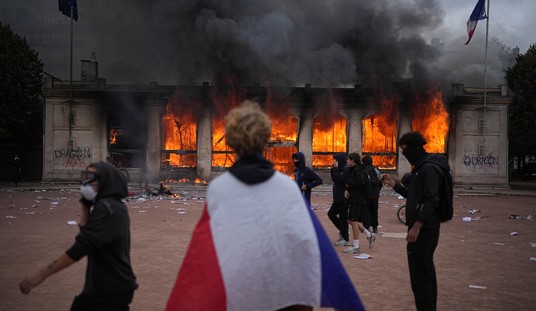
began to descend toward National Airport, I saw the city of my birth in
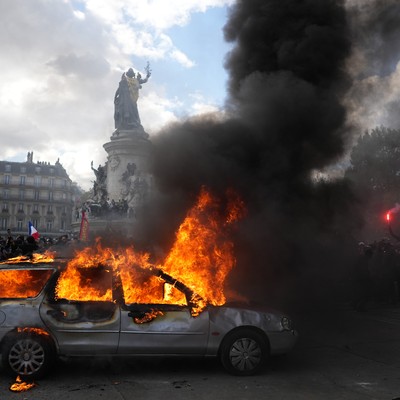
flames. Our nation's capital looked like Berlin after the bombings of World
War II.
National Guardsmen were called out, one of them my brother-in-law. People
believed a race war had begun. It was a scary, sobering time. An apostate of
hate had killed the apostle of nonviolence.
Much has been written and spoken of that horrible day 40 years ago. Much
more will be written and spoken in decades to come. King is as much a part
of American history as is Abraham Lincoln. Why do evil men so often take
from us those who seek to do good?
For years what became known as the "riot corridor," three Washington-area
thoroughfares ravaged by looting and arson in 1968, languished in decay. The
Nixon administration demonstrated little interest in seeing the corridor
rebuilt. Washington was (and is) a one-party town and Nixon's "Southern
strategy" sought white votes, not black ones. No business wanted to set up
shop in areas so recently destroyed by vandals.
Yes, some of the rioters were criminals looking for an excuse to rob and
loot. Others allowed their despair to overcome good judgment, burning their
neighborhoods and thrusting themselves further down the ladder of success.
Dr. King would not recognize modern Washington. It still has its deep
pockets of poverty, but today's capital city is vibrant and optimistic. A
brand-new baseball stadium just opened and the hope is that it will
contribute economic revitalization to a part of the city where prosperity
has been a stranger.
Continued... |