
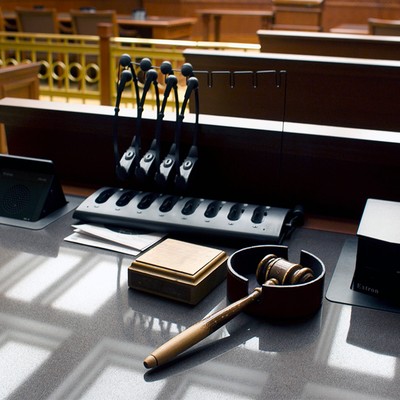
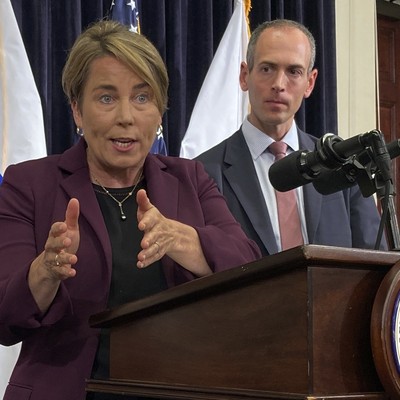







"My biggest hope for Iraq is that, when you find yourself in a courtroom in
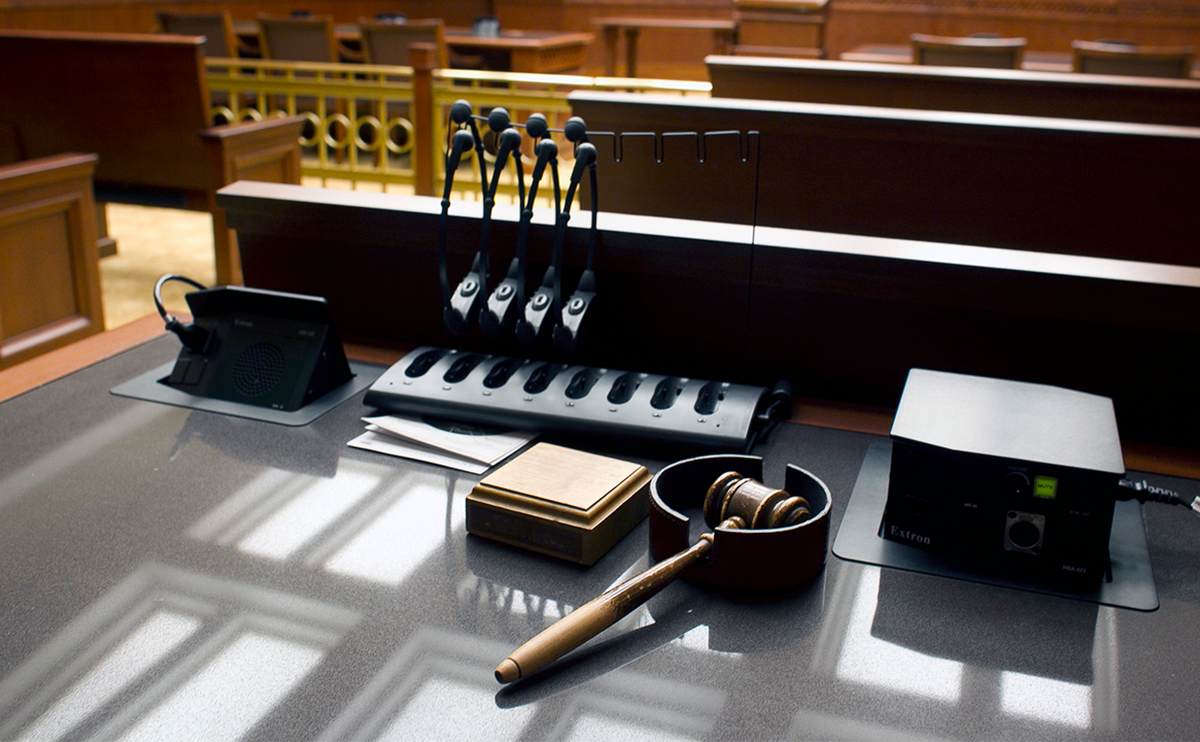
Iraq, it will be about what you did and not who you are," Sen. Lindsey
Graham, R-S.C., said on PBS's "NewsHour" this week.
Well, it's about four years late but nonetheless encouraging to hear
prominent supporters of the Iraq project (the phrase "Iraq war" really
doesn't do the trick) getting their talking points right.
Americans are great at talking about how wonderful democracy is. The right
to vote is taught as a sacrament from grade school up. Politicians can talk
a mile a minute about how wonderful elections are for much the same reason
salesmen at a Ford dealership can talk a blue streak about how great Fords
are: It's their livelihood. Spend your career trolling for votes and you're
apt to be able to explain why votes are the most important thing in the
world.
But Americans don't believe, not really, that voting is the most important
thing in the world. For starters, if they believed such nonsense, they'd
vote more.
No, Americans like exercising plenty of other rights more than their right
to vote. The right to speak your mind, own property, associate with whomever
you like, be compensated for the fruits of your labor: these and other
rights are plainly more dear to Americans than the right to pull a lever
every two or four years. Obviously, Americans would care if anyone proposed
taking away their right to vote. But as a matter of common sense, voting is
less important to us than those rights and liberties that make our God-given
right to pursue happiness possible. Ultimately, voting is a means to an end,
not an end in itself.
Lest we forget, democracy shorn of these other rights is no less tyrannical
than dictatorial rule. "An elective despotism was not the government we
fought for," Thomas Jefferson wrote in "Notes on the State of Virginia." He
recognized that parliaments and congresses do not a free country make: "173
despots would surely be as oppressive as one. Let those who doubt it turn
their eyes on the republic of Venice."
In one sense, I don't blame the Bush administration for making elections in
Iraq an early priority. There really is no universally recognized symbol of
liberation from tyranny other than free elections. And I celebrated
alongside everyone else at the sight of those purple thumbs. But without the
foundations of a liberal order - rule of law, fair courts, property rights,
relatively uncorrupt civil service - democratic elections are an exercise in
futility. Indeed, they're terrifying to minorities like the Sunnis because
they seemed a harbinger of oppression at the hands of the long-oppressed
Shiites.
When looting beset Baghdad in 2003, then-Secretary of Defense Don Rumsfeld
shrugged "freedom is untidy," as if rioting is part and parcel of democracy
(a view shared by some on the hard left in America, by the way). That was
the height of nonsense and sent exactly the wrong message. Rioting and
looting scares those democracy needs most: the hard-working entrepreneurial
middle class. Historically, democracy arrives when the bourgeoisie gets big
and strong enough to demand honest government. The very poor often like
demagogues (just look at Fidel Castro and Hugo Chavez), and the very rich
don't care much about fighting against corruption or for accountable
government because in unfree societies they tend to profit from both.
It's the small businessman, the shopkeeper or tradesman, who wants to feel
secure in his property and contracts. He wants to know, as Lindsey Graham
says, that he can get a fair shake from a judge. If, down the road, he gets
to vote for his preferred politician, that's wonderful. But it's not the
first priority.
In Iraq, security isn't merely the most important thing, it's the only
thing. Without security, nothing else is possible. "The good society is
marked by a high degree of order, justice and freedom," Russell Kirk wrote
in The Roots of American Order. "Among these, order has primacy: For justice
cannot be enforced until a tolerable civil social order is attained, nor can
freedom be anything better than violence until order gives us laws."
Which is why Democratic talk about how "political solutions" are more
necessary than military ones and President Bush's ornate rhetoric about the
"universality of freedom" are so irrelevant, even counterproductive. The
Arab world doesn't have a great grasp of what democracy is, but it does have
a keen sense of justice and order. One significant reason we're having such
trouble selling Iraqis on the former is that they were really in the market
for the latter.
|