











Loading trending topics...

Temecula Man Pleads Guilty to Stealing $1.8M From Two Women He Courted
Scott McClallen

Florida Man Convicted of Billing Medicare $15 Million for Blood Tests Patients Never Wanted
Scott McClallen
Is the Media Pushing Another Russian Collusion-Style Hoax Ahead of the Midterms?
Matt Vespa

Massachusetts Man Gets Two Years for Using 100-Plus Stolen Identities to Fleece SNAP, Pandemic Aid
Scott McClallen
Top Stories


COVID-19
Houston Doctor Indicted in $30 Million Scheme to Bill Feds for COVID Visits That Never Happened
Scott McClallen

Hamas
Young Americans Were Shown the October 7 Terror Attacks in VR. Their Reactions Were Eye-Opening.
Dmitri Bolt
DHS
DHS Proposes New Rule to Provide Opportunities for American Students
Jeff Charles
Advertisement
Columns
Advertisement

Advertisement
Newsletters
Townhall, in your inbox.
Conservative stories and commentary from Townhall delivered straight to your inbox.
 Members Only
Advertisement




Advertisement
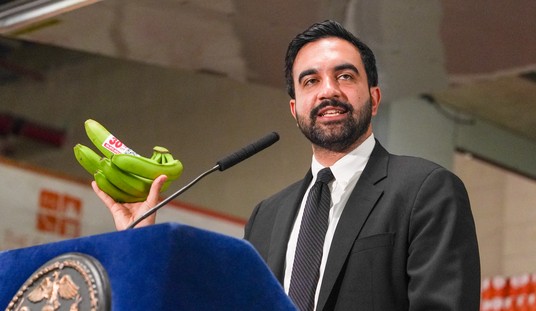
Zohran Mamdani
Mamdani Under Fire for His Plans on October 7 Anniversary
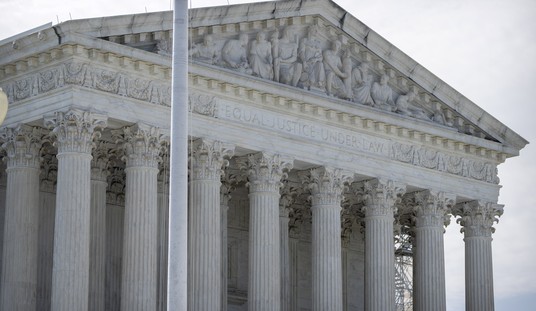
Second Amendment
Feds Tried to Disarm Him, but SCOTUS Just Said No
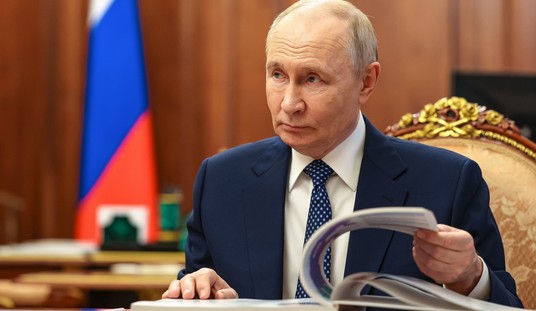
State Department
Is Russia Withholding Information About the Suspected Plague Death?
Advertisement

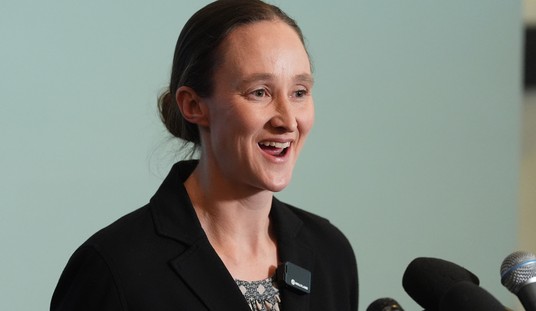


Donald Trump




Abdul El-Sayed