Dear Student,
It was wholly a pleasure to get your message asking how to write editorials,
and I am happy to oblige, since advice costs so little. In his "Devil's
Dictionary," the all too realistic Ambrose Bierce defined advice as the
smallest coin in current circulation.
I must warn you that I may not be your best source of counsel if you're
looking to rise in the world. I came to Arkansas as an editorial page
editor, and now, more than 40 years later, I'm still an editorial page
editor, if at a different paper. My job title hasn't changed a bit. No
upward mobility at all. So you may want to take my advice with a carload of
salt.
If you're looking for writing tips, there's no need for me to bore you with
what you can find in great profusion in textbooks, magazine articles, how-to
manuals and the reams of other guides out there. They're usually put out by
writers who've found that the easiest thing in the world to write about is
writing.
It was the great short story writer Raymond Carver who warned that when a
writer starts talking about technique, you know he's fresh out of ideas.
On slow days, I used to devise lists of different ways to write editorials.
At one point, I was up to 42.
No. 1 was H. L. Mencken's sage counsel, "Take a line." Rather than write all
around an issue without ever saying what ought to be done about it.
No. 42 was "Read poetry." It doesn't matter whether you prefer Longfellow,
Emily Dickinson, Seamus Heaney or the Song of Songs. Poetry awakens the ear,
revives the soul, and generally enlivens the spirit within prose. It's like
going back to the wellsprings of the language.
In between No.'s 1 and 42, there was the sort kind of sage advice that's
harder to practice than preach. Such as: "Aim for a masterpiece, not just
another editorial," (No. 25) and "Attack the strongest point of your
opponent's case, not the weakest. This is sport, not persecution." (No. 14)
But beyond all those easily given and just as easily forgotten tips, the
opinionator needs more than technique. Editorials ought to be based on
thought-out principles, which means the young editorial writer ought to
develop some. So he won't be blown this way and that by every new idea that
comes down the pike.
When the editorial writer finds it necessary to alter or refine or deepen or
even abandon a conviction - it's called growth - he should at least be aware
of it. That's why he (or she) needs a liberal education, which is what
you've had the sense to seek.
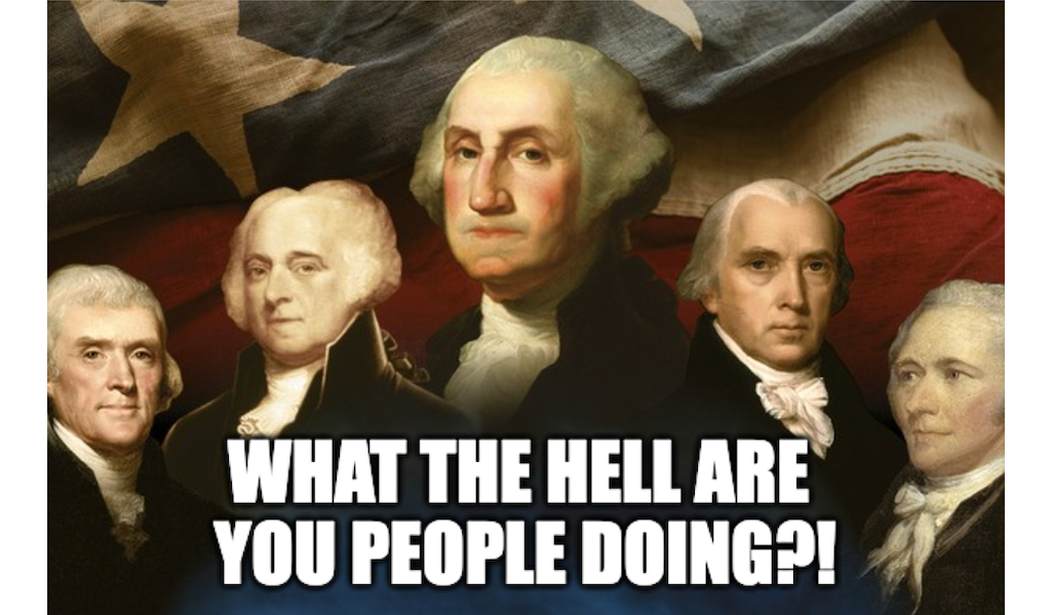
Maybe you'll even acquire a sense of history, which gives perspective, so
this swirl of a little wheat and a lot of chaff that we call the news won't
come as a complete surprise every day.
Continued... |