
















The special issue of The New Republic that arrived in the other day's mail
was devoted to the choices confronting American policymakers in Iraq. Its
cover offered a smorgasbord of 17 different strategies, each served up with
separate but equal assurance by a different pundit.
Just glancing at the complete table of contents, let alone going through the
articles, was enough to give the reader a bad case of mental indigestion.
Where had I encountered such a profusion of advice before? Oh, yes, now it
comes to me. It was during the Senate hearings on Iraq a few weeks ago,
though they now seem years ago. Maybe because nothing fades faster from
memory than a long seminar in a stuffy room.
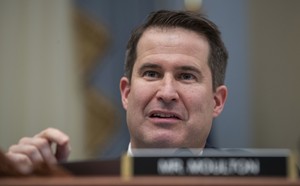
If you watched those hearings or any part of them, they seemed curiously
removed from bloody reality. It was as if the armchair generals in the
Senate had gathered 'round to hear the real armchair generals.
The senators had the haggard sound of next-of-kin seeking a remedy for their
patient's illness, or at least an end to his suffering. But all they could
get from the surfeit of physicians was the equivalent of the warnings in
small print that come with any prescription. Only, in this case the doctors
couldn't agree on the prescription.
Of all the policy choices in Iraq being laid out, is there no sure guide?
When in doubt - and who except the hopelessly cocksure wouldn't entertain
some doubts where this war is concerned? - it might help to consult
Churchill, who tasted little but defeat after defeat in the Second World War
till somehow they all turned into victory.
In writing the history of that war, Sir Winston went through the dizzying
array of factors that policymakers have to take into consideration when
faced with hard choices. Then he added one more: "There is, however, one
helpful guide, namely, for a nation to keep its word. Š This guide is called
honor." Which was the one guide not followed when the
democracies negotiated with the dictators at Munich, which would soon become
synonymous with sell-out.
Follow the honorable course in Iraq? Easy to say, hard to do - some would
say impossible to do.
What would an honorable course in Iraq look like? We might gain some idea by
envisioning its opposite, the dishonorable course. That's the one constantly
being put forward by the General Murthas and the growing number of Americans
who are ready throw in the bloody towel and let the Iraqis stew in their own
juices.
That is also the outcome America's enemies dream about and live for: a
re-enactment of this country's "exit strategy" from Vietnam, which was more
exit than strategy. After Henry Kissinger's indecent "decent interval," our
ally was left to founder, then collapse.
Continued... |