










Loading trending topics...

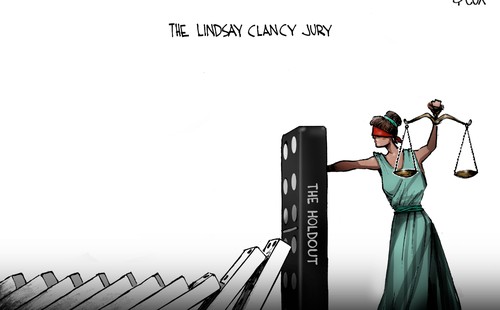
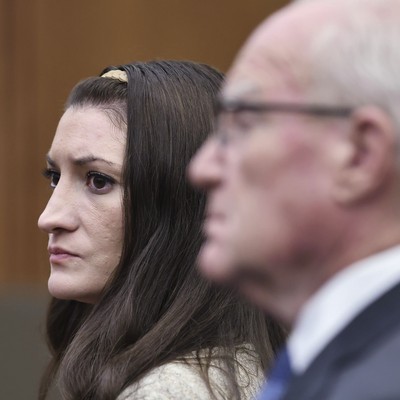
Wait, the Lindsay Clancy Juror Is a Catholic Haitian Immigrant?
Matt Vespa

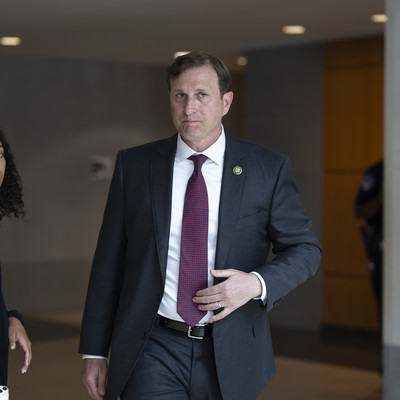
Why This GOP Rep Had to Apologize to a Sheriff at a Congressional Hearing Yesterday
Matt Vespa

What Arch Manning Said About This AI Video Caused Lib Sportswriters to Blow a Gasket
Matt Vespa

The Left Is Having a Meltdown Over Sydney Sweeney Again
Matt Vespa
Top Stories
Advertisement
Columns
Advertisement
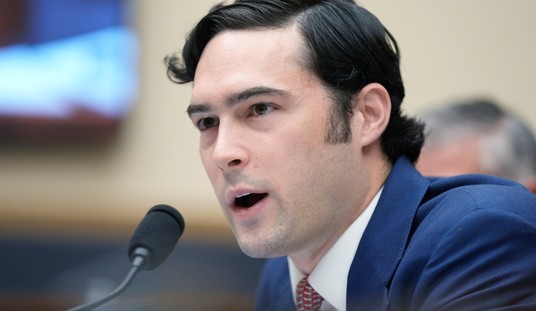
House Oversight Committee
Brandon Gill Announces Bid for House Oversight Committee Leadership
Advertisement
Newsletters
Townhall, in your inbox.
Conservative stories and commentary from Townhall delivered straight to your inbox.
 Members Only

Charlie Kirk
Islam
Lindsay Clancy
Advertisement
Iran War:

Saudi Arabia
Welcome to Saudi Afraidia!
Immigration:
Illegal Immigration
When States and the Federal Government Stop Cooperating, Who Pays the Price?
Illegal Immigration
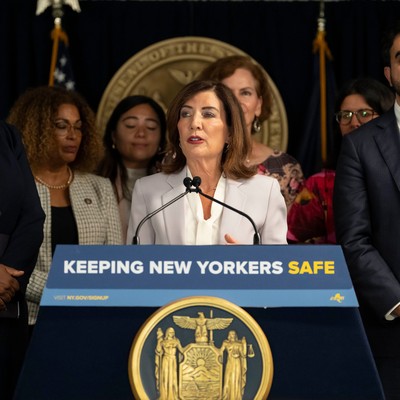
Hochul Said 'Bring It On.' The Sheriffs Filed in Federal Court.






Advertisement
Lindsay Clancy
The Lindsay Clancy Jury Fallout Should Scare Us All




Lindsay Clancy
Lindsay Clancy Juror Wanted to Use This Case As What?!
Trump Assassination Attempt
We Know How Trump's Assassin Was Able to Stock Up Before His Attack at Butler Rally

Advertisement





Trump Assassination Attempt




Illegal Immigration

Supreme Court