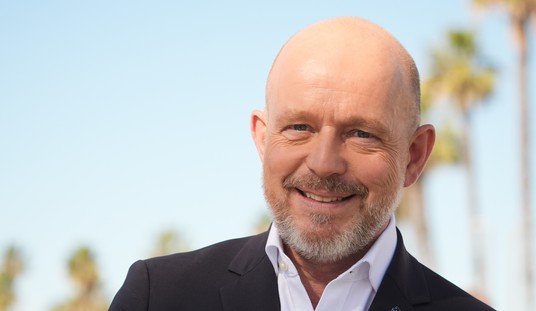
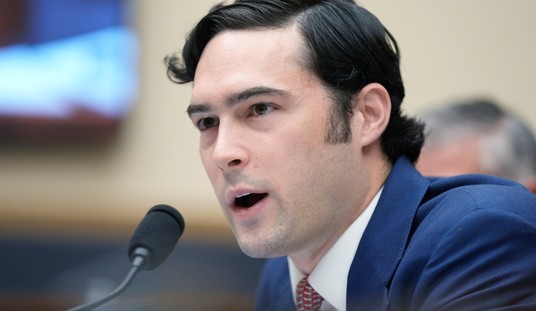
The other day, reading the New York Post's popular Page Six gossip page, I was surprised to find a picture of me, followed by the lines: "ABC'S John Stossel wants the government to stop interfering with your right to get high. The crowd went silent at his call to legalize hard drugs".
I had attended a Marijuana Policy Project event celebrating the New York State Assembly's passage of a medical-marijuana bill. (The bill hasn't passed the Senate.) I told the audience I thought it pathetic that the mere half passage of a bill to allow sick people to try a possible remedy would merit such a celebration. Of course medical marijuana should be legal. For adults, everything should be legal. I'm amazed that the health police are so smug in their opposition.
After years of reporting on the drug war, I'm convinced that this "war" does more harm than any drug.
Independent of that harm, adults ought to own our own bodies, so it's not intellectually honest to argue that "only marijuana" should be legal -- and only for certain sick people approved by the state. Every drug should be legal.
"How could you say such a ridiculous thing?" asked my assistant. "Heroin and cocaine have a permanent effect. If you do crack just once, you are automatically hooked. Legal hard drugs would create many more addicts. And that leads to more violence, homelessness, out-of-wedlock births, etc!"
Her diatribe is a good summary of the drug warriors' arguments. Most Americans probably agree with what she said.
But what most Americans believe is wrong.
Myth No. 1: Heroin and cocaine have a permanent effect.
Truth: There is no evidence of that.
In the 1980s, the press reported that "crack babies" were "permanently damaged." Rolling Stone, citing one study of just 23 babies, claimed that crack babies "were oblivious to affection, automatons."
It simply wasn't true. There is no proof that crack babies do worse than anyone else in later life.
Myth No. 2: If you do crack once, you are hooked.
Truth: Look at the numbers -- 15 percent of young adults have tried crack, but only 2 percent used it in the last month. If crack is so addictive, why do most people who've tried it no longer use it?
People once said heroin was nearly impossible to quit, but during the Vietnam War, thousands of soldiers became addicted, and when they returned home, 85 percent quit within one year.
People have free will. Most who use drugs eventually wise up and stop.
And most people who use drugs habitually live perfectly responsible lives, as Jacob Sullum pointed out in "Saying Yes".
Myth No. 3: Drugs cause crime.
Continued... |