Peace, it's wonderful. So are some other things - like democracy, common
sense and practical policies as opposed to angry slogans. The latest
election results from Taiwan, aka the Republic of China, represent a victory
for all of those.
The results were not only a landslide victory (58 percent of the vote) for
the Kuomintang, or Nationalists, but a well deserved slap at the current,
ever controversial president and leader of the other party, the Democratic
Progressives.
Ineligible to succeed himself as president, Chen Shui-bian has been bad
news for years, a veritable poster boy for term limits. His push for an
independent Taiwan, which Red China considers a breakaway province, provoked
not only Beijing but Washington, for this country has a very real stake in
preserving the peace of the region.
It got so bad at one point - in late 2003 - that President Bush publicly
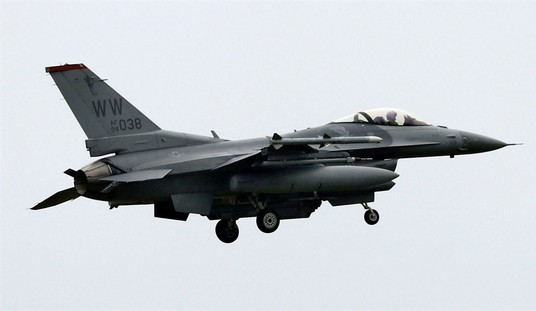
reproved Taiwan's president, and blocked American sales of advanced
warplanes to that beleaguered island.
Taiwan's voters now have proved far more responsible than their troublesome
president. They not only turned to the opposition party in this election,
but, by soundly defeating two referenda, turned down his idea of applying
for separate United Nations membership under the name of Taiwan.
With the other, huge China wielding a veto at the UN, the whole idea was
never going to go anywhere. It was just another showy provocation, and
Taiwan's voters had the good sense to realize it.
It was hard to see what purpose these referenda were supposed to serve
except the same one that mischievous little boys have when they tease bulls
- and risk getting gored.
Back in 1992, Taiwan and the mainland signed a formal agreement to
disagree. They agreed that there was only "one China" while not getting into
the contentious question of which government was its legitimate ruler, the
People's Republic on the mainland or the Republic of China on Taiwan. No
need to go into detail. Better the vaguest peace than the clearest war.
It was a good sign when Ma Ying-jeou, now Taiwan's president-elect, visited
this country in 2006 and spoke highly of that 1992 agreement. Why be
needlessly specific? The newly elected president has a far lighter touch
then the incumbent, which befits an ancient culture known for its
subtleties. Call it strategic ambiguity. Continued... |