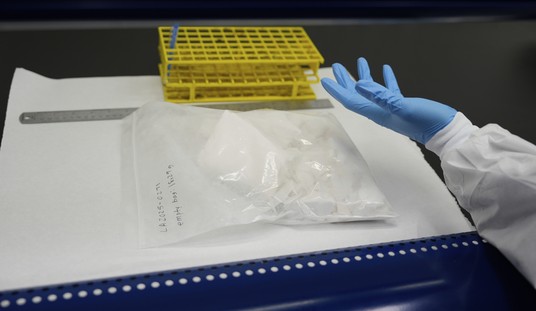
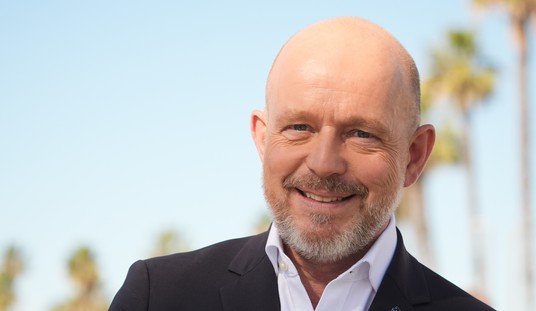
Meat retailers can now trace their wares from the ranch to the refrigerator case using DNA analysis. IdentiGEN Ltd., based in Ireland with U.S. offices in Lawrence, Kan., said its DNA TraceBack technology can boost consumer confidence, as well as the value of the hamburger, steak, pork cuts and other meat. TraceBack can determine not only where meat came from but whether it's organic or Angus _ or whatever the label says, company officials said. Chief Executive Don Marvin said it's the first product to offer DNA tracing for the entire meat supply chain. "If you see a DNA TraceBack label, believe it," Marvin said. "It's true. It's DNA." But some in the industry aren't convinced it's worth adding to their many rising costs by adopting the high-tech tool. The technology _ approved by the U.S. Department of Agriculture in October _ has been in use in Europe since 2000. British grocer Tesco and Ireland's Superquinn and Dunnes Stores use it, and IdentiGEN officials said two U.S. companies have inked contracts to use it and a third grocer is close to a deal. Public announcements of the deals are expected in the next few months, Marvin said. Both Tesco and Superquinn launched marketing campaigns in Europe after implementing DNA TraceBack, but the U.S retailers haven't publicly announced their use of the product. Bovigen LLC, a Louisiana company recently purchased by Pfizer Animal Health, also offers USDA-approved DNA tracing. But Bovigen plans to use it only to help producers identify beef cattle for specific traits for breeding purposes, said spokesman Rick Goulart. Dave Schafer, executive director of the Kansas Meat Processors Association, said he is skeptical that DNA tracing is necessary in the U.S. or that producers will want to add to already high food prices. "There is no evidence there is a serious safety problem or even a very minimal problem to justify the cost," Schafer said. And producers like Brian Beckman of Grinnell Locker Plant in Grinnell, Kan., said they wondered how accurate the technology could be, noting some slaughterhouses process hundreds of animals at once. But Marvin said IdentiGEN's technology, which can identify the multiple animals whose parts were used in a given sample of ground beef, could have helped reduce amount of meat recalled after undercover videos revealed employees at Westland/Hallmark Meat Co. in Chino, Calif., abusing sick and weakened cows. Continued... |