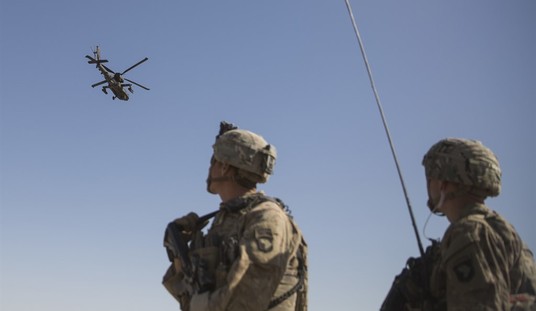
The Security Council unanimously approved a resolution on Thursday calling for a U.N. political presence in conflict-wracked Somalia for the first time in years and setting conditions for the deployment of U.N. peacekeepers. The resolution urged the United Nations to move its Somalia political office from Kenya to the Horn of Africa nation. The council also said it will consider deploying U.N. peacekeepers to replace African Union troops now on the ground, subject to progress in improving political reconciliation and security conditions. That will be difficult in a country that has not had a functioning government since clan-based warlords toppled dictator Mohamed Siad Barre in 1991. The warlords then turned on each other, sinking the poverty-stricken nation of 7 million people into chaos. The current weak transitional government, backed by Ethiopian troops, is struggling to quash a re-emerging Islamic insurgency that has killed thousands of civilians. The resolution showed the council's determination to support Secretary-General Ban Ki-moon's efforts to promote a political settlement and improved security in Somalia while holding out the carrot of a U.N. peacekeeping force. A massive U.N. relief operation was launched for thousands of Somalis left starving because of fighting after Siad Barre's ouster in 1991. But in 1993, clan militia fighters shot down two U.S. Black Hawk helicopters and killed 18 U.S. servicemen in fighting. After that, the U.S. withdrew its troops and the U.N. scaled back its peacekeeping operation, eventually abandoning it in 1995. The British-sponsored resolution was changed at the last minute at South Africa's insistence to strengthen the language on a future U.N. peacekeeping force. "I am so excited! I'm over the moon!" South Africa's jubilant U.N. Ambassador Dumisani Kumalo told reporters afterwards. "For the first time, it's a signal that if the political conditions are right, if the security situation on the ground is right, this council will do something," Kumalo said. "It sends a signal to the Somali people that we've heard their cries. It sends a signal that this council is serious." Britain's U.N. Ambassador John Sawers, the current council president, called the resolution "a step forward," saying it backs U.N.-supported efforts to broaden the political base of the transitional government. But he cautioned against immediate results. Continued... |